
Updated:
Roofing contractor bids are comparable only after the roof scope is normalized
The cheapest roofing quote may not be the cheapest roof if one contractor priced a complete roof system and another priced thinner assumptions. Compare contractors only after every bid describes the same tear-off depth, roof covering, decking risk, flashing scope, ventilation plan, permit responsibility, disposal, and warranty package.
Start by defining the same project for every bidder: full replacement, partial replacement, overlay, storm repair, or leak repair. The roof covering must also match because asphalt shingles, standing seam metal, exposed-fastener metal, tile, slate, and low-slope membranes carry different labor steps, accessories, weather risks, and inspection points.
Local code belongs in the baseline. The Insurance Institute for Business & Home Safety explains that local jurisdictions may amend model codes, and the authority having jurisdiction controls adopted requirements, product approvals, uses, and variances. IBHS also states that even where a permit is not required, repairs or replacements must comply with the applicable code in effect at the time of the work. See the IBHS Roof Guide: Codes & Standards.
What project facts should every roofing contractor price from the same baseline?
Give all roofing companies the same fact sheet, then ask each estimator to correct assumptions in writing if measurements, attic inspection, or permit review changes the scope.
- Project type: full replacement, partial replacement, overlay, storm repair, or leak repair.
- Roof area: number of squares and measurement source, such as satellite report, hand measurement, plan takeoff, or allowance.
- Roof difficulty: pitch, height, access, driveway limits, landscaping protection, and material staging.
- Existing assembly: known roof layers, decking type, suspected soft sheathing, and whether old underlayment will be removed.
- Roof interruptions: valleys, walls, chimneys, skylights, plumbing stacks, vents, dormers, satellite mounts, and solar or mechanical equipment.
- Moisture history: known leaks, stained decking, wet insulation, condensation, or damp spots. The U.S. Environmental Protection Agency advises that wet or damp spots and condensation should be fixed promptly to reduce mold risk. See A Brief Guide to Mold, Moisture and Your Home.
- Adjacent work: gutters, fascia, soffit, rotten trim, chimney repairs, painting, and interior stain repair, clearly included or excluded.
Which roofing bid assumptions create false price differences?
False price differences appear when roofer contractors solve different problems under the same project name. A quote that omits tear-off, flashing replacement, permits, disposal, or rotten decking pricing can look efficient until the first change order.
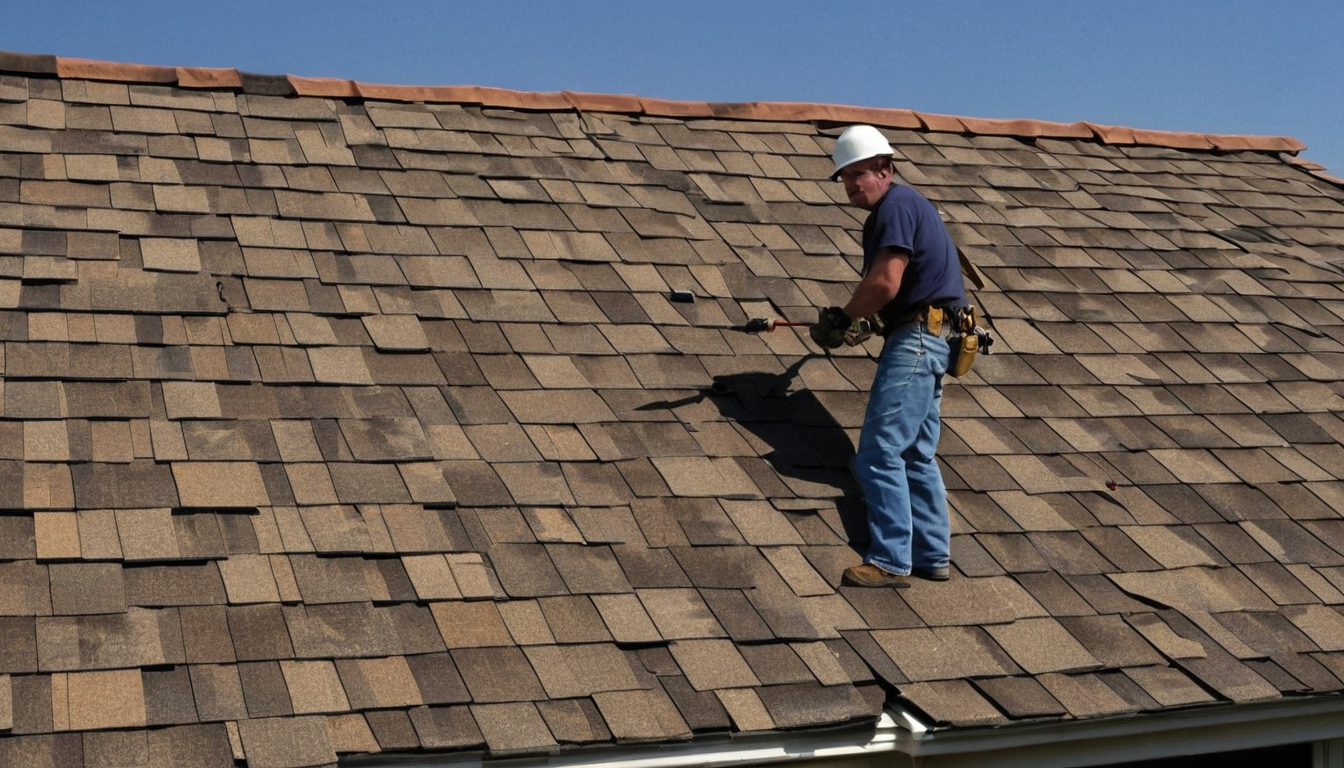
Roofing contractor bids are comparable only after the roof scope is normalized shown with practical context cues.
- Tear-off versus overlay: confirm whether the old roof covering is removed or covered.
- Decking replacement: require a unit price or allowance for rotten, delaminated, or undersized decking.
- Flashing scope: separate full replacement from reuse at chimneys, sidewalls, headwalls, skylights, and valleys.
- Ventilation corrections: state whether intake, exhaust, blocked soffits, and ridge ventilation are included.
- Job logistics: list permits, inspections, debris disposal, nail cleanup, driveway protection, and temporary dry-in procedures.
A normalized roofing bid table should separate base price, allowances, exclusions, and unit prices
A normalized roofing bid worksheet should split fixed scope from unknowns, optional items, excluded work, and measurable repair prices. This shows whether a lower bid is lean, incomplete, or genuinely efficient.
What line items belong in a roofing quote comparison worksheet?
Use the same fields for every proposal, even when one contractor submits a polished packet and another submits a one-page lump sum.
- Contractor: company name, license or registration status if required locally, insurance confirmation, and estimator contact.
- Base price: fixed price for agreed roof area, roof system, labor, materials, equipment, normal site protection, and overhead.
- Roof system: shingle or panel type, underlayment, starter, ridge cap, fasteners, vents, and accessories.
- Tear-off: full removal, overlay, included existing layers, and added cost for extra layers per roof square.
- Water-control details: ice barrier where applicable, valleys, flashing, drip edge, pipe boots, chimney work, skylight treatment, and edge metal.
- Unknown repairs: decking per sheet, fascia per linear foot, flashing per linear foot, and rotten trim or sheathing allowances.
- Administrative costs: permit fees, inspection fees, sales tax where applicable, disposal, container fees, and administrative charges.
- Contract terms: warranty, exclusions, payment schedule, change-order approval method, cleanup, magnet sweep, and lien-release process.
How should homeowners handle allowances and unit prices in roofing bids?
An allowance is an estimated amount for work or material not fully defined. An alternate is an optional upgrade or substitution. An exclusion is work the contractor is not pricing. A change order is a written price change after the contract starts. A unit price is the pre-agreed cost for a measurable item, such as decking per sheet, fascia per linear foot, extra tear-off layers per square, or disposal per container.
Unknown roof conditions should be priced before shingles come off because negotiation gets weaker after the house is open to weather. The contract should say unit prices apply only after the contractor documents the condition with photos, location, quantity, and the agreed rate.
Tear-off, decking, underlayment, and disposal assumptions often explain large roofing quote gaps
Large quote gaps often come from removal depth, deck repair rules, underlayment type, and disposal logistics rather than shingle brand alone. Aged roofs, multiple layers, damaged sheathing, steep slopes, and limited driveway access can move real project cost.
Does the roofing contractor bid include full tear-off or an overlay?
A full tear-off exposes the roof deck, old fasteners, rotten sheathing, leak paths, and past patchwork. An overlay hides those conditions and can look cheaper because the contractor avoids removal labor, dump fees, and some cleanup time.
- Ask for the existing roof layer count and whether the bid assumes removal down to clean decking.
- Ask whether local code allows an overlay for the roof condition, roof covering, slope, and existing layer count.
- Ask whether the selected manufacturer permits installation over existing roofing under the proposed warranty.
- Ask whether inspection requires exposed decking before new underlayment and roof covering are installed.
An overlay is also a structural assumption. IBHS notes that adding another roof-cover layer or switching to a heavier roof covering increases dead load, so the roof structure should be assessed and verified.
How is rotten or delaminated roof decking priced before the job starts?
Decking replacement should not be an open-ended surprise. The bid should state the unit price for plywood or OSB replacement, the measurement method, and whether labor, fasteners, disposal, and minimum charges are included.
- Require photo documentation before covered decking is replaced.
- Require written approval above a small preapproved repair amount.
- Clarify whether partial sheets, full sheets, or square-foot pricing will be used.
- Confirm that the manufacturer accepts the repaired deck condition.
Which underlayment and ice-barrier details must match manufacturer and code requirements?
Underlayment is a system requirement, not a vague line labeled “felt.” The bid should name synthetic underlayment, asphalt felt, self-adhered membrane, or high-temperature underlayment where heat, metal roofing, low slope, valleys, eaves, or ice exposure require it.
Product-specific assumptions should match standards and labeling because IBHS explains that building codes require many roofing products to comply with referenced test standards, typically shown on package or product labels.
Flashing, ventilation, penetrations, and edge metal must be specified because they affect leaks and warranties
Flashing, ventilation, penetrations, and edge metal influence leak resistance, attic performance, manufacturer compliance, and inspection visibility. A bid that treats these items as optional accessories may be cheaper only because it transfers risk back to the owner.
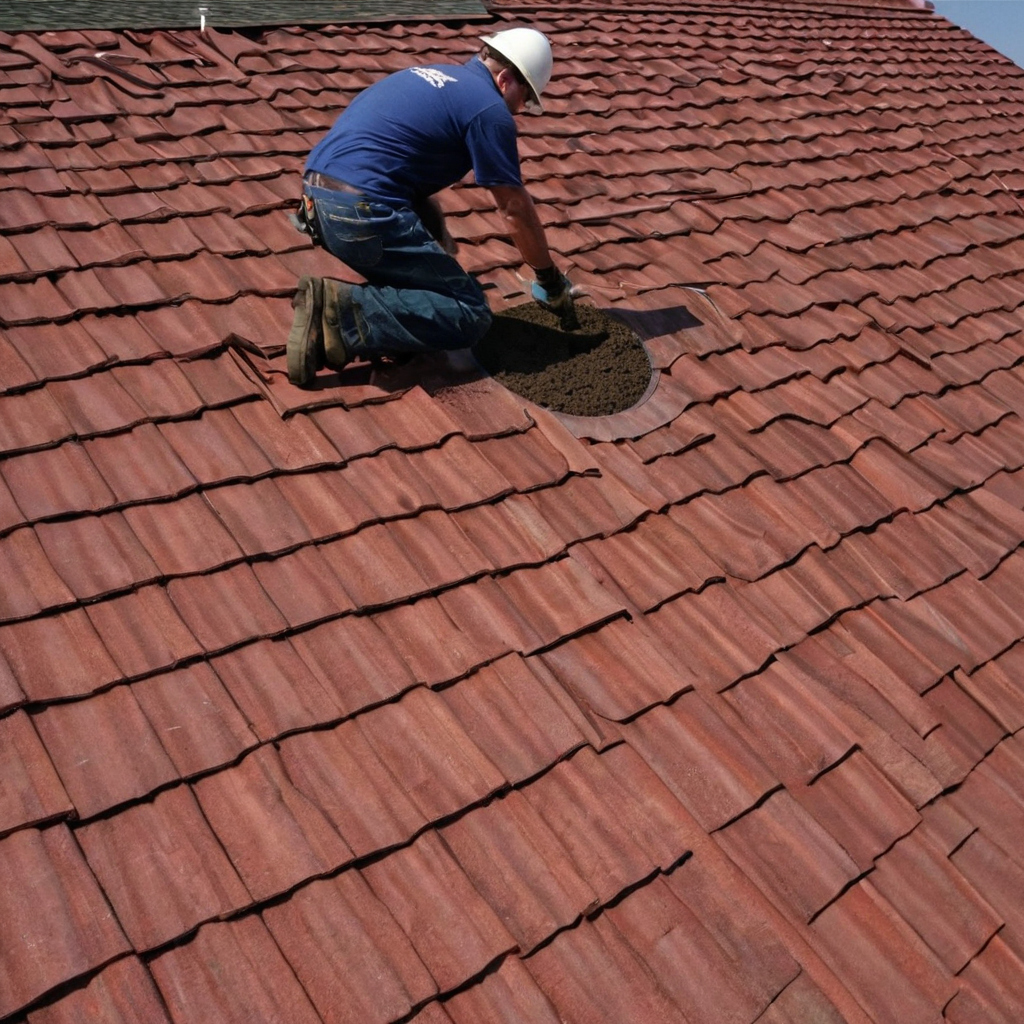
Flashing, ventilation, penetrations, and edge metal must be specified because they affect leaks and warranties shown with practical context cues.
Code-based comparison should treat these items as roof assembly concerns. IBHS notes that minimum roof assembly requirements appear in Chapter 15 of the IBC, Chapter 9 of the IRC, and Chapter 7 of the IEBC where those model codes apply as adopted or amended.
Should roofing contractors replace flashing or reuse existing flashing?
Roofing contractors should state whether each flashing component is replaced, reused, repaired, or excluded. “Reuse existing flashing” can be reasonable only when the material, condition, fastening, and integration with the new roof covering meet product instructions and local inspection expectations.
Flashing scope should name step flashing at sidewalls, headwall flashing, apron flashing, valley metal or valley membrane, drip edge, rake edge, chimney base flashing, chimney counterflashing, and skylight flashing kits.
How should roof ventilation be written into a contractor quote?
Roof ventilation should be written as a measured correction, not a promise to “add vents.” The quote should identify existing intake and exhaust, blocked soffits, insulation clearance, baffles, and whether the proposal uses ridge vents, box vents, gable vents, soffit vents, or powered vents.
Ventilation changes also need compatibility. Mixing exhaust types can short-circuit airflow, and adding ridge vent without open soffit intake may not solve attic heat or moisture problems. A stronger bid states the calculation method required by code or manufacturer instructions and explains which old vents will be removed, patched, or left in place.
Which roof penetrations should appear as separate inspection points?
Every penetration should appear in the quote because every penetration is a potential leak path. The final walkthrough should verify these locations from the ground, attic, ladder access by a qualified person, or contractor photos.
- Plumbing vent boots and pipe collars
- Bathroom, kitchen, dryer, and mechanical exhaust vents
- Skylights and skylight flashing kits
- Chimneys and roof-to-wall transitions
- Satellite, antenna, security, or solar mounts if present
Labor quality in roofing bids should be compared through installation controls, not promises
Labor quality is hard to judge from a bid total, but it can be compared through written installation controls. The quote should identify crew supervision, fastening method, weather cutoffs, manufacturer instructions, cleanup, inspection timing, and photo documentation.
What installation details should roofing contractors commit to in writing?
Roofing contractors should write the installation standard into the proposal, not leave it as “installed per manufacturer specs.” The bid should name fastener type, fastener length, corrosion resistance, and fastening pattern for the selected shingle, metal panel, underlayment, starter strip, ridge cap, or clip system.
The bid should also state whether the crew will use hand nailing, pneumatic nailing, clip fastening, exposed fasteners, or standing-seam panel seaming. For asphalt shingles, the quote should address nail placement and correction for overdriven, underdriven, crooked, or high nails. For valleys, the bid should name the method.
Verified crew claims matter. If roofer contractors mention installer certification, factory training, or a dedicated supervisor, ask who will be present, what credential applies, and how to verify it before work starts.
How can homeowners verify roofing work during and after installation?
Homeowners should not climb onto the roof to inspect active work. Safer verification comes from ground-level observation, attic checks where safe, permit inspection milestones, and contractor photos taken before materials cover the work.
- Ask for photos of tear-off, deck repairs, underlayment laps, ice barrier, flashing, valleys, penetrations, and ridge ventilation.
- Require written tracking of changed decking quantities, including locations and unit prices.
- Confirm daily dry-in procedures for rain, wind, wet decking, snow, or unfinished roof sections.
- Request a final walkthrough, gutter and yard cleanup, magnetic nail sweep, and debris disposal confirmation.
Warranty terms decide whether a lower roofing contractor bid is actually cheaper
Warranty terms can make a lower bid more expensive if workmanship, material defects, wind coverage, algae coverage, prorated periods, transfer rules, and registration duties are not comparable. Separate manufacturer coverage from contractor workmanship responsibility and maintenance exclusions.
Warranty terms decide whether a lower roofing contractor bid is actually cheaper shown as an editorial planning reference.
What is the difference between manufacturer warranty and workmanship warranty?
A manufacturer warranty usually addresses defects in the roofing product, not every leak. Asphalt shingles, metal panels, underlayment, ridge cap, starter strips, vents, and accessories may have different eligibility rules, especially when a contractor sells a “system” warranty tied to approved components.
A workmanship warranty covers installation errors for the period stated in the proposal. Nail placement, flashing integration, valley work, pipe boots, skylight transitions, and cleanup-related damage belong here. The bid should say who files manufacturer claims, who documents photos and invoices, and who pays labor if a material claim is approved.
Which warranty exclusions should change how homeowners compare roofing companies?
Warranty exclusions often expose the real cost of a cheap scope. Treat these exclusions as bid-comparison items, not fine print:
- Improper ventilation: attic intake and exhaust omissions can affect shingle performance and warranty eligibility.
- Reused flashing: reused step flashing, chimney flashing, or wall flashing may shift leak risk back to the owner.
- Storm, hail, and wind limits: coverage may depend on product rating, fastening method, roof zone, and documented installation.
- Ponding water or low-slope misuse: standard shingles may not be warranted where slope or drainage does not match product instructions.
- Registration, transfer, and maintenance duties: missed paperwork, unauthorized repairs, or neglected debris can weaken a claim.
Homeowners should ask every roofing contractor the same written clarification questions before choosing
Homeowners should not negotiate roofing bids only by asking for a lower price. Each contractor should answer the same written clarification questions about scope, exclusions, unit prices, permits, installation standards, schedule, cleanup, payment terms, and warranty before contract signing.
What exact questions should homeowners send to all roofing contractors?
Homeowners should send the same written message to every roofing contractor and request a revised bid, addendum, email confirmation, or contract exhibit. Verbal assurances fail to normalize roofing bids because spoken promises rarely survive crew turnover, schedule pressure, or a warranty dispute. Clarifying the scope with each contractor also helps when deciding between roof repair or replacement for your home.
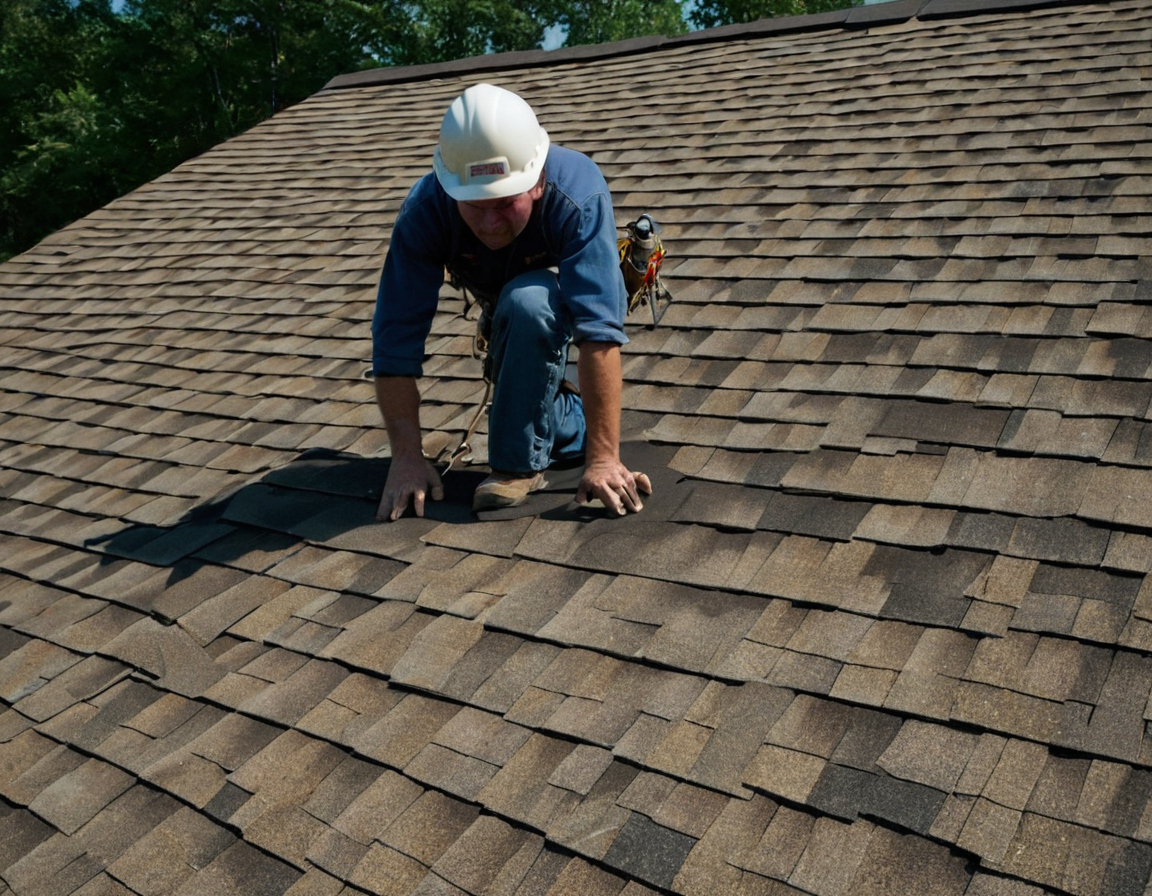
Homeowners should ask every roofing contractor the same written clarification questions before choosing shown with practical context cues.
- Does the bid include full tear-off, or does any part of the proposal assume an overlay?
- How many existing roof layers did the estimator observe, and how was roof area measured?
- What exact roof covering, underlayment, starter, ridge cap, fasteners, ventilation products, and accessories are included?
- What is the unit price for rotten, delaminated, or code-deficient decking, and what material does that price include?
- Will step flashing, chimney flashing, skylight flashing, pipe boots, valley metal, drip edge, and rake edge be replaced or reused?
- What attic ventilation changes are included, and who verifies intake and exhaust paths before installation?
- Who obtains the permit if required, and which inspections are included in the schedule?
- How will the crew protect open roof areas if rain, wind, or delayed delivery interrupts the job?
- What disposal, magnetic nail cleanup, gutter protection, landscape protection, and driveway protection are included?
- Who supervises the crew on site, and when can the homeowner review photos of covered work?
- What workmanship warranty is provided, what manufacturer warranty is being registered, and what conditions void either warranty?
- What exclusions could become change orders, including fascia, soffit, gutters, chimney repair, skylight replacement, mold remediation, or interior drywall repair?
- What payment schedule applies, and does it comply with local contract, deposit, lien notice, and cancellation rules?
Indoor work is less common in roof replacement, but attic air sealing, stain blocking, sealants, or cleanup products can affect occupied space. The EPA lists building materials, paints, varnishes, waxes, cleaning products, and furnishings as indoor sources of volatile organic compounds and recommends increased ventilation during use of products that emit VOCs indoors. Ask the roofer to identify indoor products and ventilation precautions if work enters the attic or living area. See the EPA guidance on volatile organic compounds.
When is the lowest roofing bid reasonable, and when is it a red flag?
The lowest bid can be reasonable when the scope, products, tear-off plan, flashing plan, ventilation work, permit handling, disposal, warranty, and payment terms match the other bids. A smaller roofing company may have lower overhead, a simpler schedule, or a more efficient crew without cutting the roof system.
The lowest bid becomes a red flag when the roofer avoids written answers, uses vague product descriptions, omits license or insurance information, pressures the homeowner with a same-day deadline, excludes permits without explaining local requirements, reuses flashing by default, hides decking prices, skips ventilation corrections, offers no workmanship warranty, or leaves disposal unclear.
FAQ
How do I evaluate a roofing proposal when every contractor uses different line items?
Rewrite each proposal into the same worksheet fields: base price, roof system, tear-off, underlayment, flashing, ventilation, decking unit price, permit, disposal, warranty, exclusions, and payment schedule. Then ask each contractor to revise the bid where a field is missing.
Should I tell a roofing contractor that I have other bids?
Yes, but frame the conversation around scope rather than pressure. Say that several roofing contractors are bidding and that each company must price the same written assumptions.
What is the 25% rule in roofing, and does it apply to my roof replacement?
The phrase “25% rule” can refer to local reroofing or repair thresholds, but the meaning varies by jurisdiction and code adoption. Ask the local building department or authority having jurisdiction how repair area, permit rules, overlays, and full replacement triggers apply to your roof.
What is an unbalanced unit price in a roofing bid?
An unbalanced unit price is a repair rate that looks unusually high or low compared with the base bid and likely quantity. Decking priced too low may lead to disputes, while decking priced too high may turn a modest change order into a major cost.